クライアント:
鴻池組
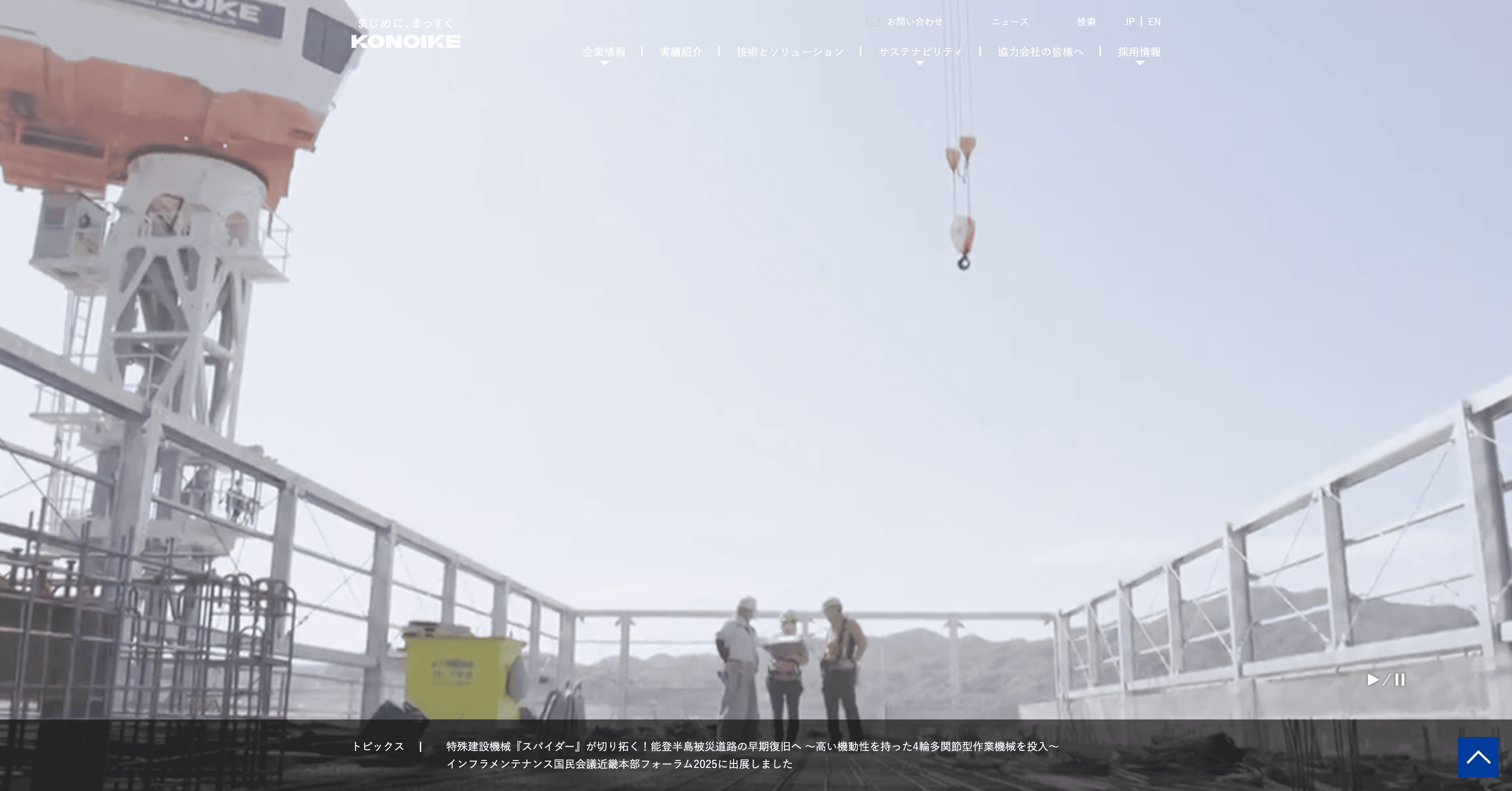
I managed the crane automation project at Konoi Corporation. After a comprehensive evaluation, it was determined that full automation could not be achieved under the constraints of existing systems and operational frameworks. As a result, we pursued a hybrid approach that combined partial automation with remote operation. Traditionally, crane operations required an operator to be physically present in the cabin; however, by introducing remote control, we successfully eliminated this requirement. In tasks that did not necessarily require human intervention, automation was implemented to increase safety while mitigating any potential drop in productivity. To further enhance operational safety—especially during high winds or sudden gusts that affect suspended loads—we proposed the future integration of IoT sensors to enable automatic emergency stops. Although not directly tied to automation or remote operation, such features add significant value to the system. By providing both a practical implementation model and a long-term strategic vision, this initiative contributed to establishing a new industry standard for crane operations.
鴻池組におけるクレーンの自動運転化プロジェクトのマネジメントを実施した。既存システム及びオペレーションの延長上では自動運転化が不可であると判断し、完全自動化ではなく一部作業を遠隔操作とする方向性を形付けた。従来のオペレーションではクレーンの操作席にオペレーターが搭乗し操作する必要があったが、遠隔操作とすることでオペレーターの搭乗を回避しつつ、必ずしも人的操作が必要でない作業においては自動化するなど、自動運転と遠隔操作のハイブリッド化を目指すことで安全性の向上及び生産性低下の抑制に貢献。強風時における突風など、吊り荷の状態によって緊急停止が必要な状況においては、IoTセンサを活用することで強制停止させる機能を導入予定とするなど、必ずしも自動運転や遠隔操作と関連した機能ではない恩恵を寄与する旨を提言し、中長期的なプロジェクトの方向性についても示すことで、業界におけるニュースタンダードの構築についても恩恵を残した。